Services
Thirteen ways back into movement
Each therapy is its own chapter — and each chapter a building block of your individual treatment plan.

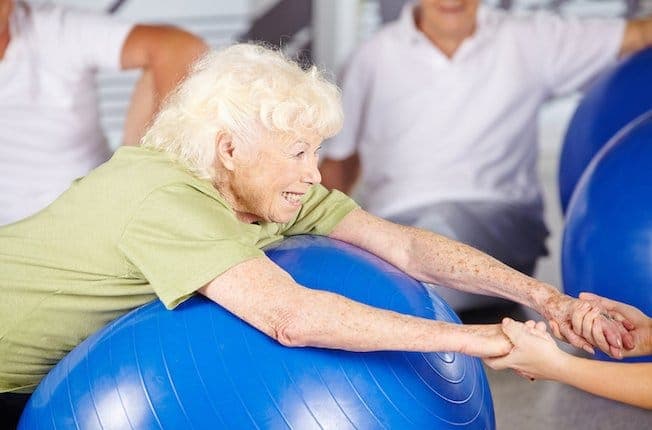
01 / 13 — Physiotherapy
Service 01 — of 13
Physiotherapy
Your Health and Mobility Come First
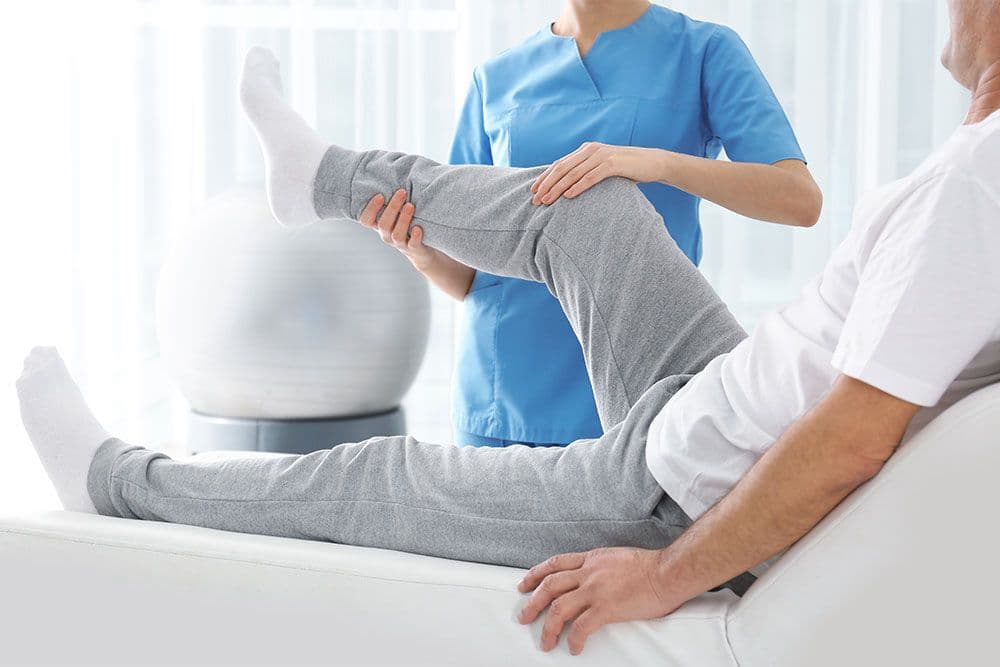
Physiotherapy is a fundamental pillar of modern healthcare. It encompasses a wide range of targeted treatment methods designed to maintain, improve, and restore your body's movement and functional abilities.
- Exercise therapy
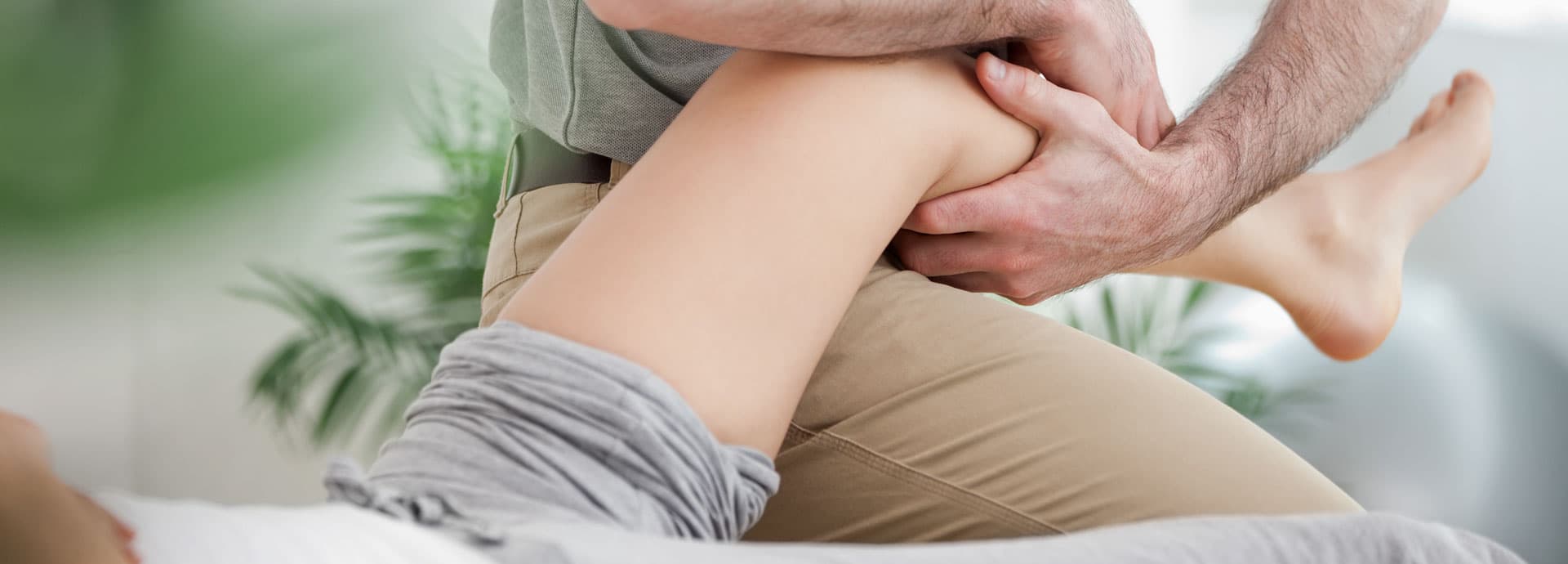
- Manual therapy
- Long-term self-care
Learn more
When can physiotherapy help? Our bodies are exposed to daily physical stress. Whether you're recovering from an injury or surgery, dealing with chronic pain, or experiencing problems caused by poor posture and everyday strain, physiotherapy offers personalized solutions to relieve pain and enhance your quality of life.
How We Help You
- Targeted Exercise Therapy
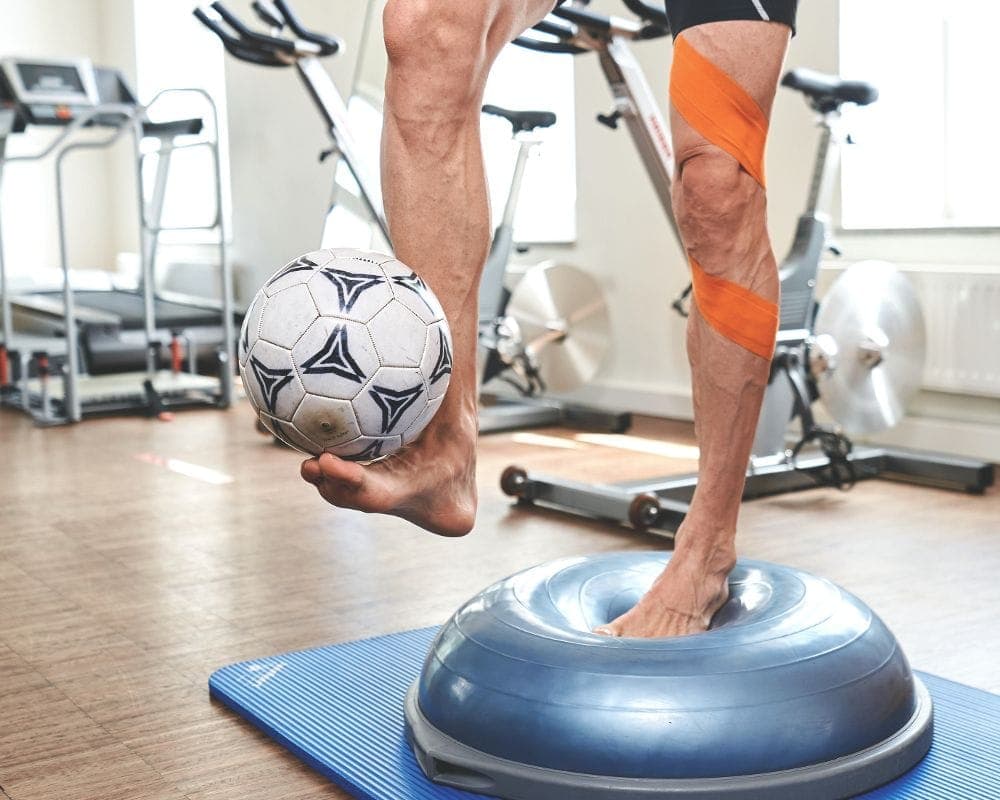
- Personalized exercise programs designed to strengthen muscles, improve joint function, and restore mobility.
- Manual Therapy
- Hands-on techniques performed by experienced physiotherapists to reduce pain, improve mobility, and support the body's natural healing process.
- Empowering You for Long-Term Success
- We provide practical exercises, guidance, and everyday tips that you can continue at home to maintain your progress and prevent future problems.
Service 02 — of 13
Manual Lymphatic Drainage (MLD)
Gentle Relief for Swelling
After surgery, an injury, or as a result of chronic lymphatic conditions, painful swelling and fluid buildup in the tissues can often occur. Manual Lymphatic Drainage (MLD) is a gentle, non-invasive, and pain-free therapy that stimulates the natural removal of excess fluid from the body.
- Reduces swelling
- Relieves pain
- Supports healing
- Deep relaxation
Learn more
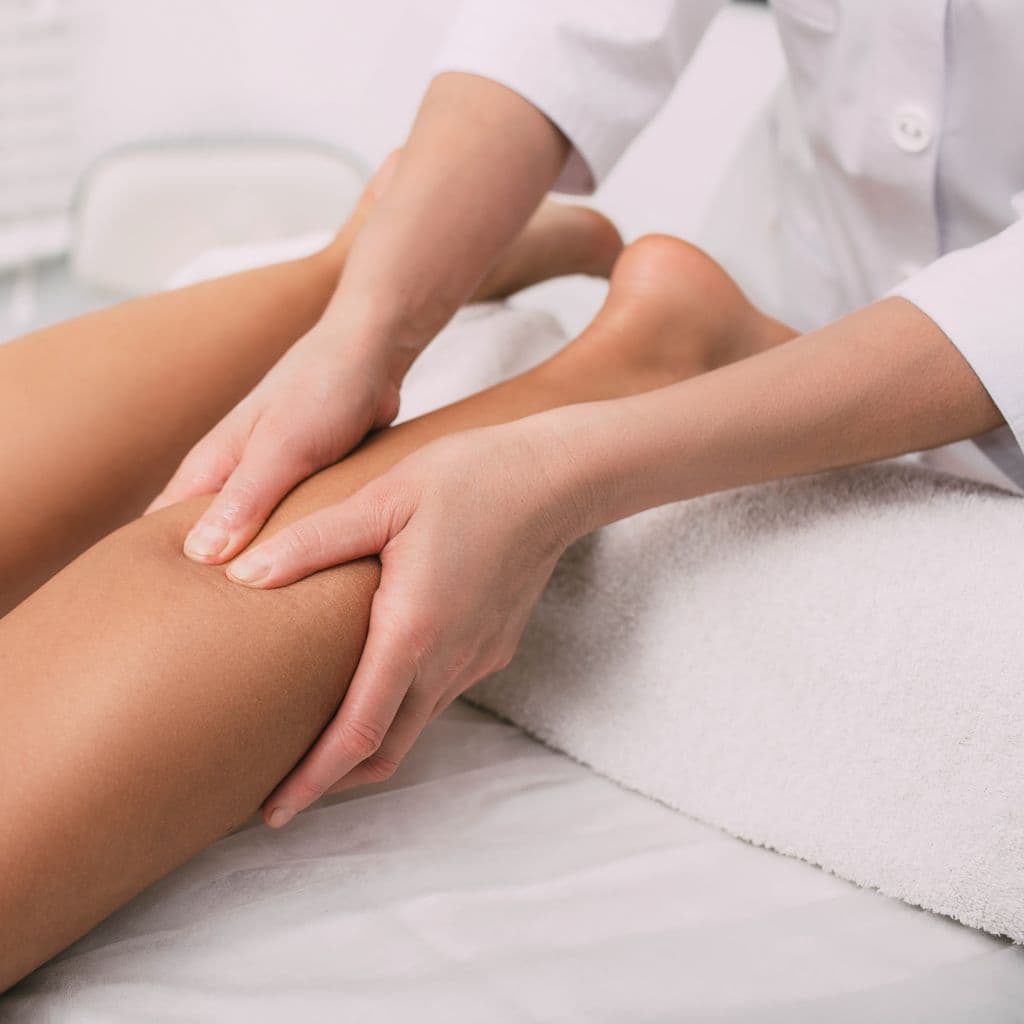
Using slow, rhythmic, circular, and pumping movements, our therapists activate the lymphatic system, encouraging healthy lymph flow. As a result, tissue congestion is reduced, swelling subsides, and pressure-related pain is noticeably relieved.
Experience how this gentle therapy relieves tension within your tissues, reduces swelling, and helps restore your mobility—step by step.
Key Benefits for Patients
- Reduces Swelling
- Excess fluid trapped in the tissues is gently guided toward healthy lymph nodes, where it can be naturally drained by the lymphatic system.
- Relieves Pain
- As swelling decreases, the pressure on the affected tissues is reduced, leading to noticeable pain relief.
- Supports Healing
- By reducing tissue congestion, manual lymphatic drainage improves circulation and accelerates the body's natural recovery process, particularly after procedures such as knee or hip surgery.
- Promotes Deep Relaxation
- The slow, rhythmic circular movements and specialized manual techniques have a calming effect on the nervous system, helping patients feel deeply relaxed and at ease.
Common Applications
- After Surgery & Sports Injuries
- Supports faster healing by reducing bruising and swelling following procedures such as joint replacement surgery or injuries like ligament tears.
- For Chronic Edema
- Provides effective relief for both congenital and acquired lymphedema, as well as lipedema, helping reduce discomfort and improve daily mobility.
- After Cancer Surgery
- Plays an important role in supporting recovery when lymph nodes have been surgically removed, helping the body manage lymphatic drainage more effectively.
Service 03 — of 13
Therapeutic Exercise (KG)
Actively back to full mobility
Therapeutic exercise is the foundation of physiotherapy. It covers a wide range of active and passive treatment forms that systematically improve your movement and functional abilities. The goal is to correct poor posture, strengthen muscles and relieve pain in the long term.
- Correct posture
- Strengthen muscles
- Relieve pain
Learn more
Our therapists accompany you step by step: through targeted mobilisation with the therapist's hands and exercises tailored individually to you, we restore your body's natural balance.
Service 04 — of 13
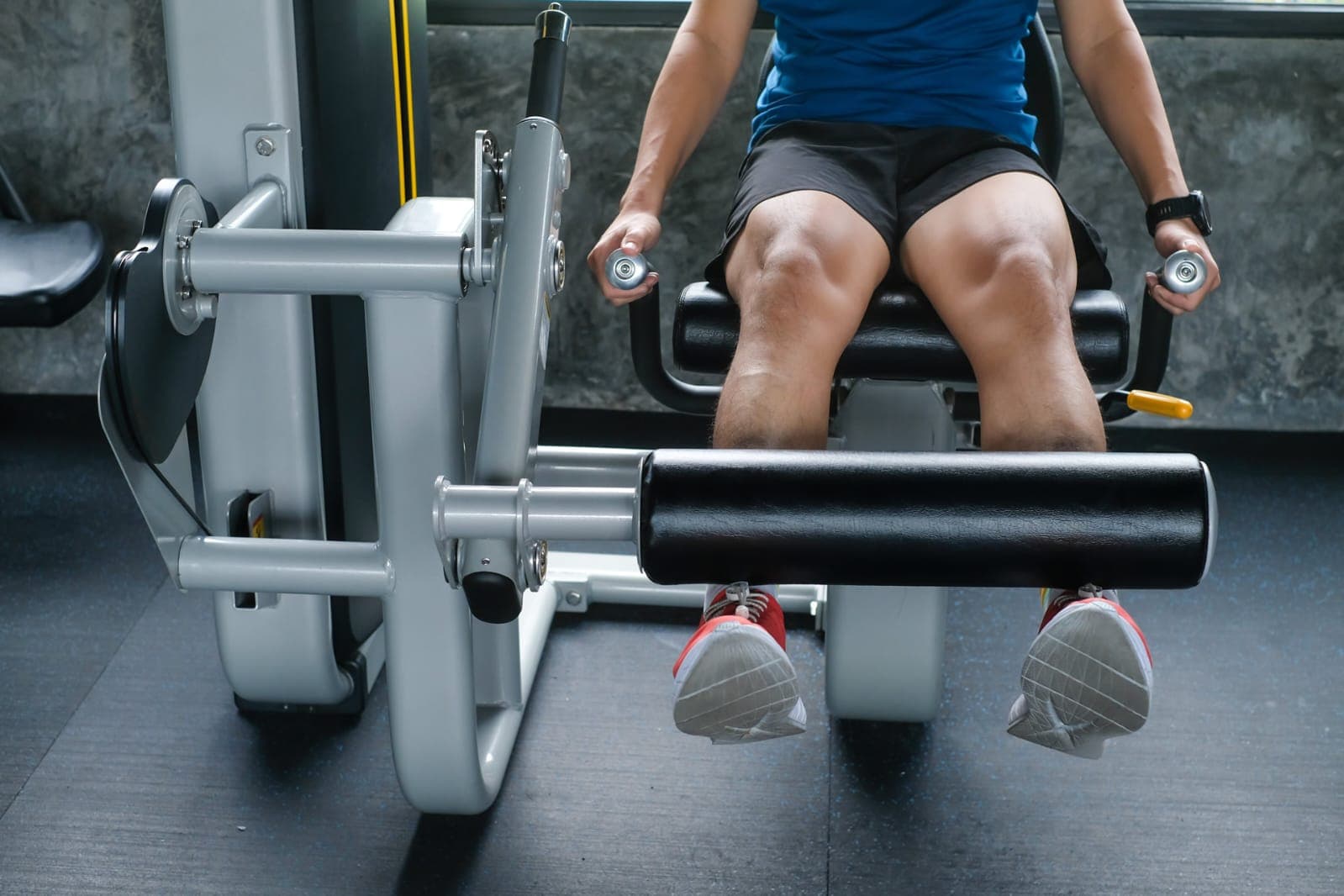
Equipment-Based Exercise Therapy (KGG)
Medical training for your strength and stability
- Rebuilding strength
- Muscular balance
- Prevention
Learn more
Applications
- After surgery & injuries
- Safe, guided rebuilding of strength and mobility (for example after cruciate ligament tears, herniated discs or joint replacement).
- For chronic complaints
- Targeted correction of muscular imbalances and postural weaknesses (for example with chronic back pain).
- For prevention
- Long-term stabilisation of the musculoskeletal system to prevent wear and pain.
Service 05 — of 13
PNF Therapy
Neurological physiotherapy for your mobility
PNF therapy is a highly effective treatment method used primarily for neurological and orthopaedic complaints.
- Coordination
- Strength
- Everyday confidence
Learn more
It is based on the insight that the brain stores movement sequences. If this connection is disrupted by illness or an accident, PNF helps to reactivate these movement patterns.
Our specially certified therapists use targeted stimuli — such as pressure, stretch and resistance — to address the receptors in your muscles, tendons and joints (proprioceptors). Together we develop three-dimensional movement sequences that help you regain your coordination, strength and confidence in everyday life.
Service 06 — of 13
Classical Massage Therapy (KMT)
Medical help for muscular tension
Classical massage therapy is one of humanity's oldest healing methods and an established part of modern physiotherapy. The focus is on the targeted treatment of painful tension, hardening and functional disorders of the muscles.
- Release tension
- Stimulate circulation
- Recovery
Learn more
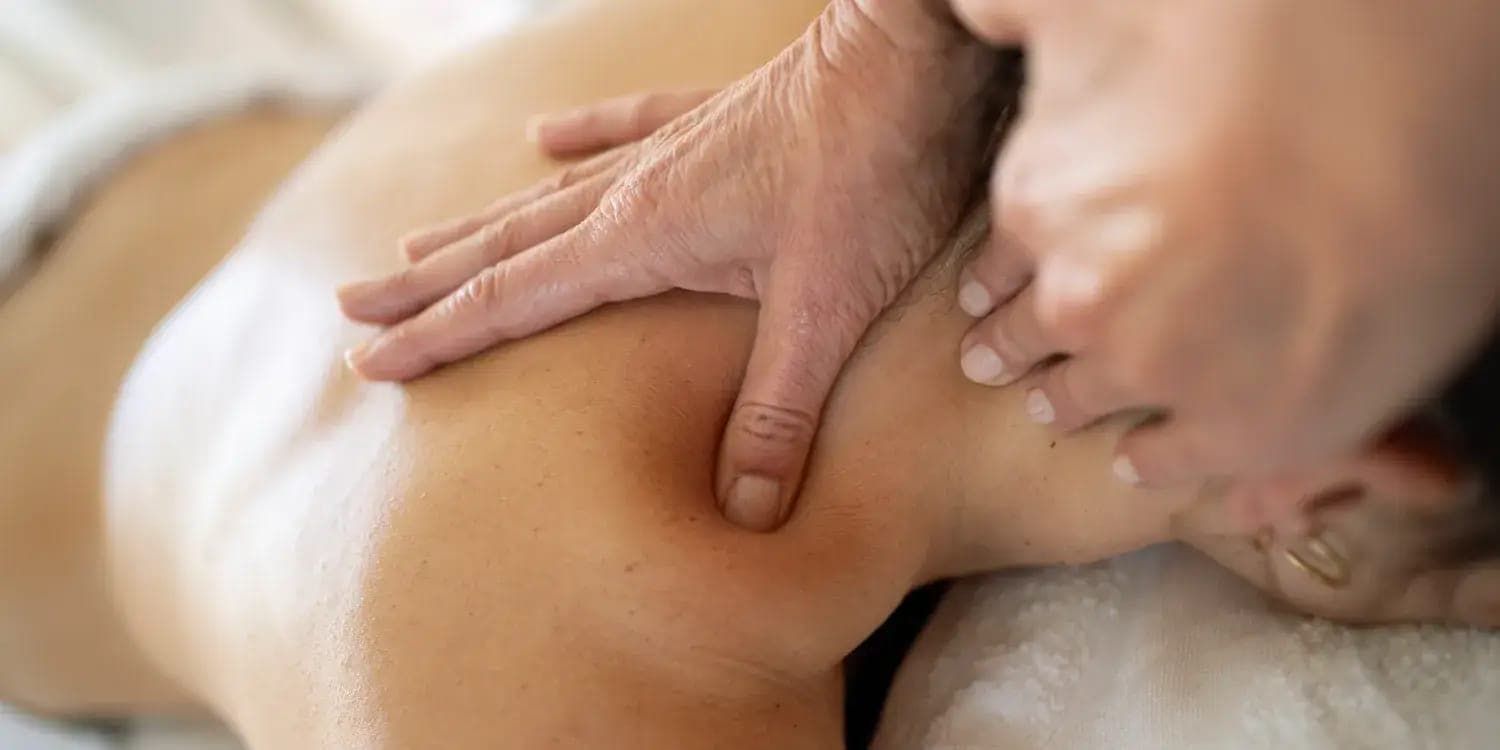
Our therapists use various manual techniques such as effleurage, kneading, friction and vibration. This strongly stimulates circulation in the tissue, activates the metabolism and normalises muscle tone.
What does medical massage help with?
- Chronic neck and back pain
- Targeted release of deep-seated muscle hardening (myogelosis) caused by poor posture or stress.
- Tension headaches
- Relief of the upper back and neck muscles to ease headaches.
- After physical exertion
- Recovery of overloaded muscle groups and faster removal of metabolic waste products.
Service 07 — of 13
Respiratory Therapy
Breathe freely and regain strength
Respiratory therapy is a specialised area of physiotherapy that specifically supports the function of your lungs and respiratory muscles. It helps people suffering from acute or chronic respiratory conditions to ease their breathing difficulties and regain physical performance in everyday life.
- Breathing techniques
- Lung volume
- Relaxation
Learn more
Our therapists show you gentle movement sequences, specific stretches and effective breathing techniques. The aim is to relax the accessory respiratory muscles, make optimal use of your lung volume and noticeably loosen stubborn mucus.
When is respiratory therapy particularly important?
- Chronic lung conditions
- To make everyday life easier with COPD, bronchial asthma or pulmonary fibrosis.
- After surgery & serious illness
- To prevent pneumonia and to quickly re-ventilate the lungs (for example after procedures in the chest or abdomen).
- For post-COVID / long COVID
- Gentle rebuilding of respiratory function and reduction of persistent exhaustion (fatigue).
- For relaxation
- Effective help with stress-related shallow breathing or hyperventilation.
Service 08 — of 13
Sling Table Therapy
Pain-free movement in weightlessness
Sling table therapy is a proven physiotherapy aid that acts like an “extended hand” of the therapist. During this treatment, your whole body or the affected body parts are suspended in soft fabric slings attached to a stable ceiling construction.
- Traction
- Decompression
- Deep relaxation
Learn more
Because gravity is neutralised, you feel almost weightless in the sling table. The therapist can now gently stretch your spine and joints (traction). Pressure on blocked nerves and strained intervertebral discs is immediately reduced, leading to rapid and noticeable pain relief.
Applications
- Spinal complaints
- Rapid relief for acute herniated discs, lumbago and chronic back pain.
- Joint conditions
- Pain-free mobilisation with osteoarthritis (for example in the hip or knee), because the joint surfaces no longer rub against each other.
- Severe muscular tension
- Deep relaxation of the muscles, since the body no longer has to carry its own weight.
Service 09 — of 13
Electrotherapy
Targeted electrical impulses against pain and tension
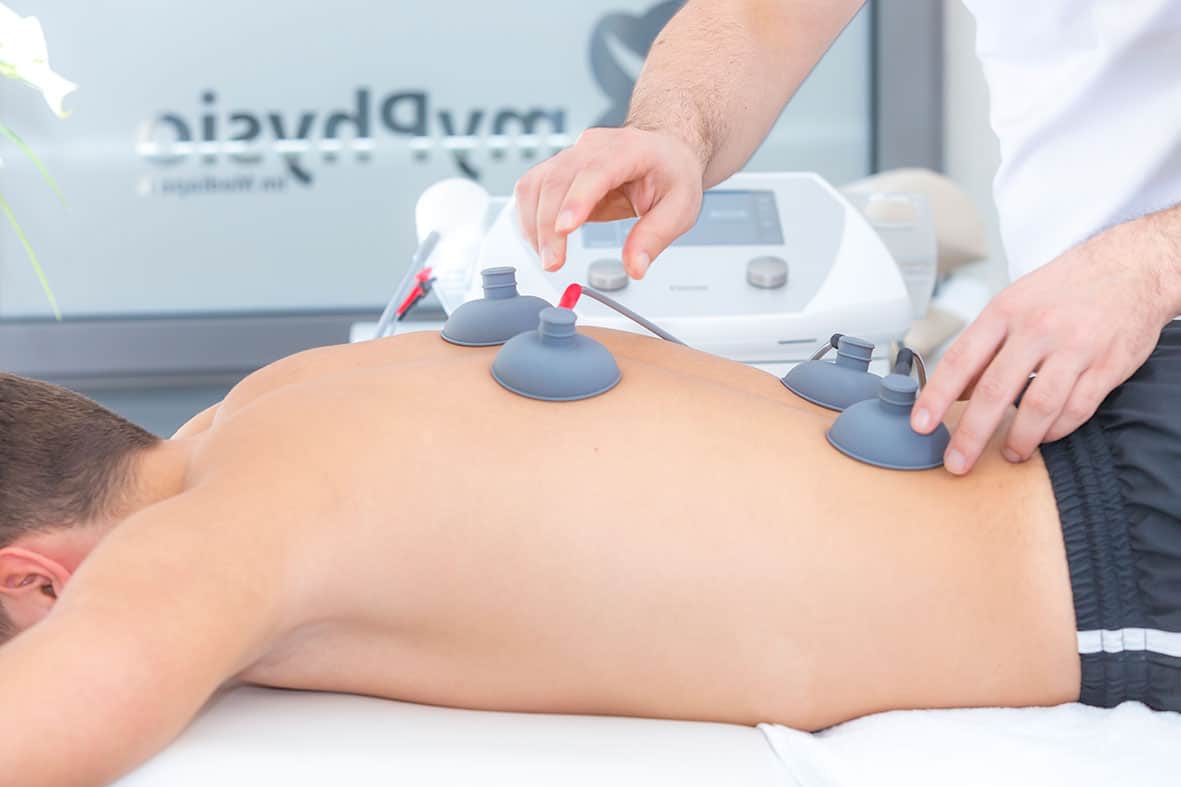
Electrotherapy is a modern, scientifically recognised complementary therapy within physiotherapy. Through the targeted use of different current forms (for example low, medium or high frequency currents) we can directly support and accelerate healing processes in the body.
- Pain relief
- Circulation
- Muscle stimulation
Learn more
Gentle electrical impulses flow into the affected tissue through elastic electrodes applied painlessly to the skin. Depending on your symptoms you will feel a pleasant tingling or gentle muscle activity. The intensity is adjusted precisely to your personal sensation at all times.
The main effects of electrotherapy
- Effective pain relief
- The electrical impulses block the transmission of pain signals to the brain (also known as TENS therapy).
- Improved circulation
- The tissue is better supplied with nutrients, which accelerates recovery and the reduction of swelling.
- Muscle stimulation
- Muscular tension is released at depth. In cases of paralysis or after surgery, the current helps to rebuild weakened muscles (EMS).
Service 10 — of 13
Fango
Deep heat from volcanic healing mud
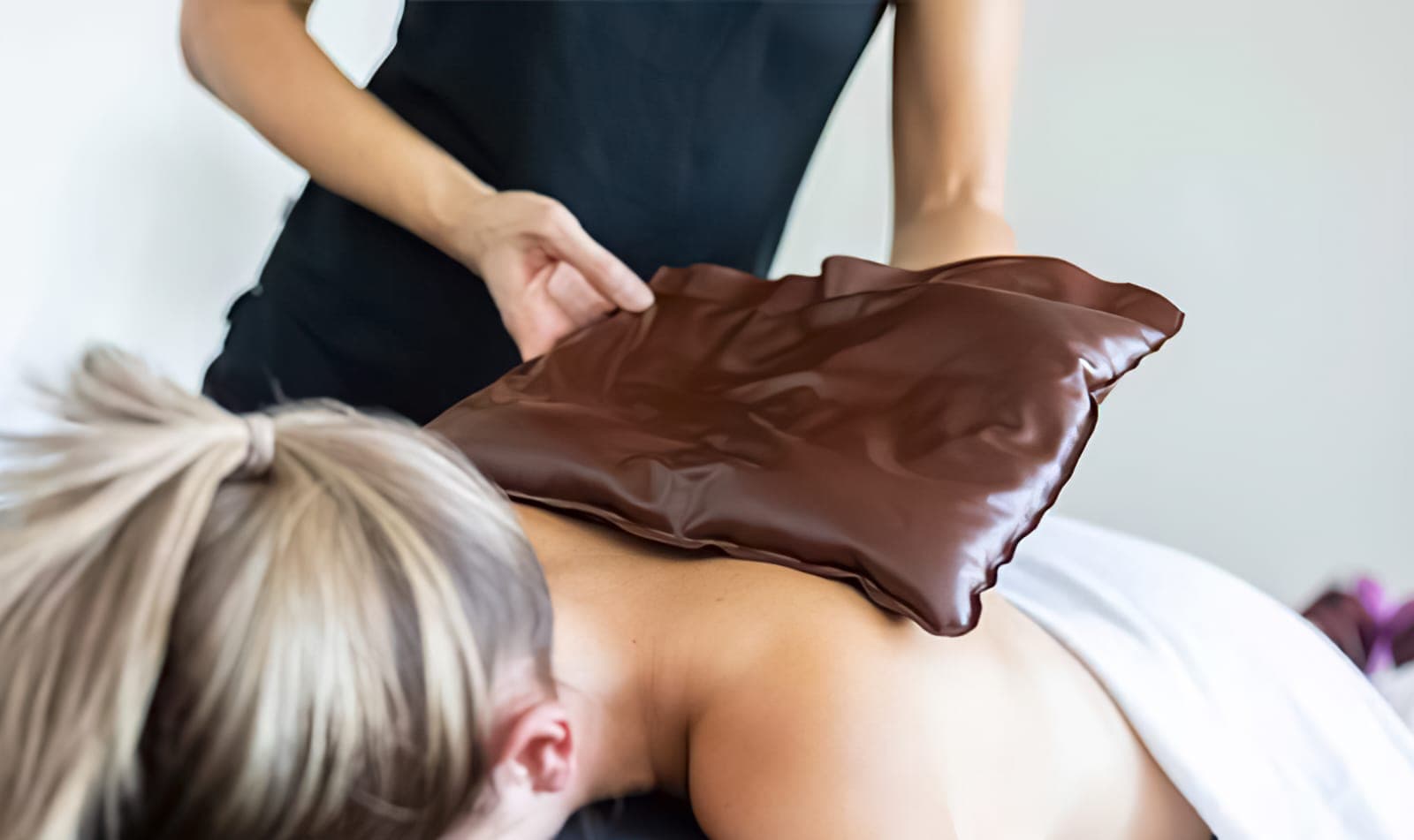
Fango is a fine-grained, mineral-rich healing mud of volcanic origin. In physiotherapy it is used as a deep-acting heat therapy, usually in the form of warm mud packs (approximately 45 to 50 °C) applied directly to the skin or placed on as single-use packs.
- Deep heat
- Pain relief
- Therapy preparation
Learn more
For patients this means an intensive, soothing heat treatment before or after the actual therapy, which relieves pain and relaxes the muscles at depth.
What does fango therapy help with?
- Chronic back pain & tension
- The deep heat loosens even stubborn muscle hardening (myogelosis).
- Joint conditions
- Eases complaints with osteoarthritis, rheumatism or chronic joint pain through improved circulation.
- Ideal therapy preparation
- Because the muscles are pre-warmed and soft, subsequent treatments such as exercise therapy or massage work even more effectively.
Service 11 — of 13
Cold Therapy (Cryotherapy)
Targeted cold against pain and inflammation
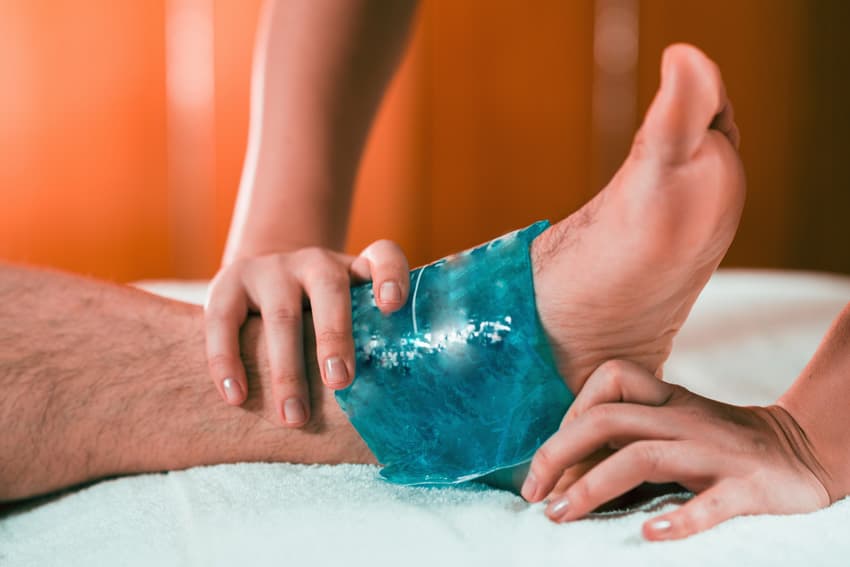
Cold therapy is a proven physical treatment method used in physiotherapy primarily for acute complaints, injuries and inflammatory processes. By deliberately withdrawing body heat using ice, cold air or ice massage, we achieve an immediate effect in the tissue.
- Acute relief
- Reduces swelling
- Anti-inflammatory
Learn more
Depending on the treatment goal, we apply cold briefly to lower nerve conduction velocity and numb acute pain, or use longer applications to slow the metabolism and contain inflammation.
The main applications of cold therapy
- Acute sports injuries & accidents
- Fast help with bruises, contusions, strains or ligament tears, to minimise swelling and haematoma.
- After surgical procedures
- Reduction of post-operative swelling and overheating around the joint (for example after knee or hip surgery).
- Inflammatory joint conditions
- Pain relief and calming during acute flare-ups of rheumatism, osteoarthritis or tendon irritation (such as tennis elbow).
Service 12 — of 13
Kinesio Taping
Elastic support for muscles and joints
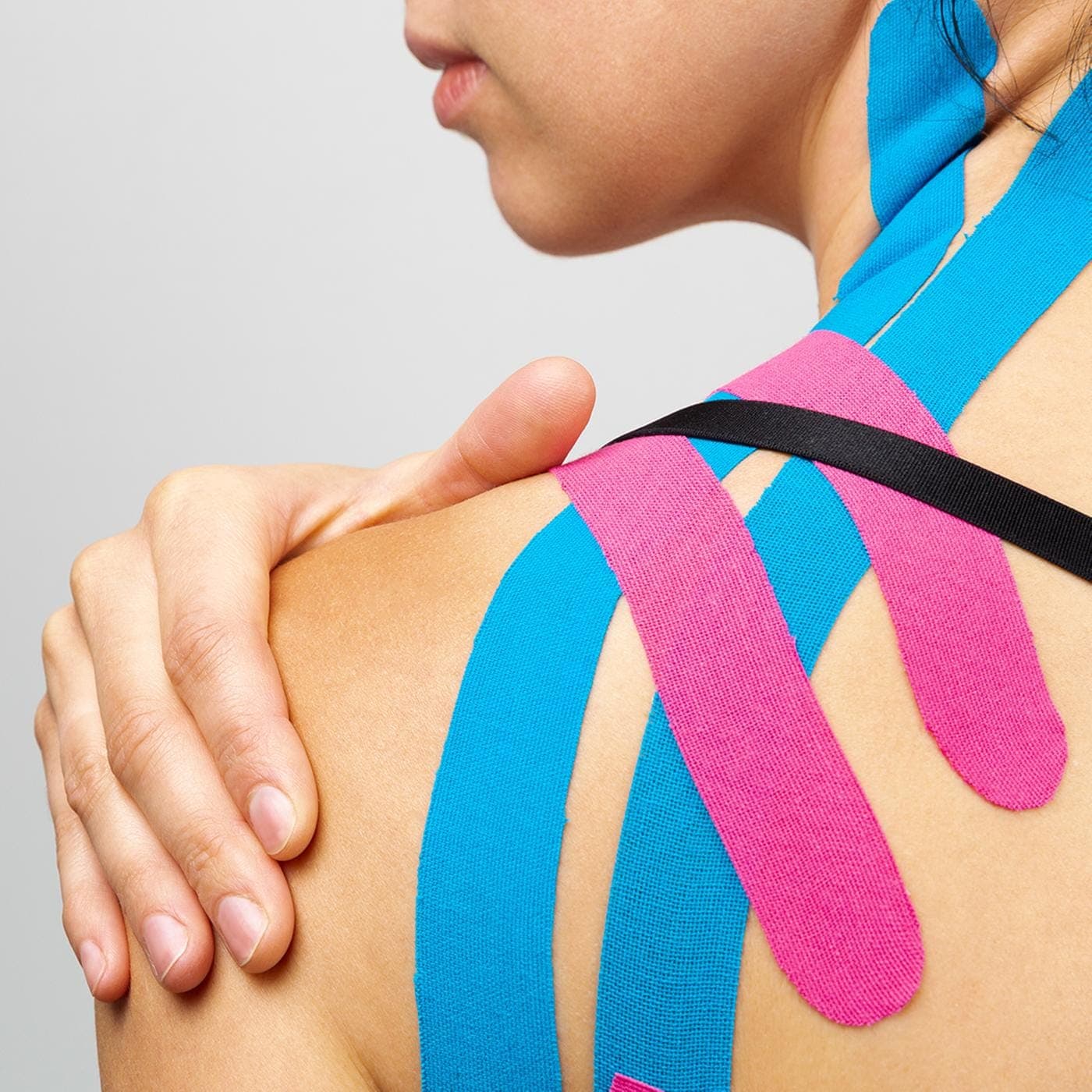
Kinesio taping is a modern and very popular complementary method in physiotherapy. The elastic, colourful tapes are applied directly to the skin using specific application techniques. They are made of a breathable, highly elastic cotton fabric that adapts to your body like a second skin and follows every movement without restriction.
- Relief
- Stability
- Long-lasting effect
Learn more
The effect is based on gentle mechanical stimulation: with every movement the tape lifts the uppermost layer of skin very slightly. This reduces pressure on the pain receptors underneath, strongly promotes circulation and accelerates the removal of lymphatic fluid.
The main benefits of kinesio taping
- Pain relief & decompression
- Rapid relief for overloaded muscles, tendon attachments and ligaments.
- Stability without restriction
- Joints gain noticeably more stability while retaining their full freedom of movement (unlike rigid bandages).
- Long-lasting effect
- The tape is waterproof, usually stays on the skin for several days and therefore works around the clock — including in the shower or during sport.
Common applications
- Muscular tension, back pain and neck complaints
- Sports injuries
- For example ligament tears, strains, knee or shoulder problems.
- Tendon irritation
- For example tennis elbow or Achilles tendon complaints.
Service 13 — of 13
Neurological Physiotherapy
Regaining movement, balance and coordination
A stroke, a diagnosis of Parkinson's or multiple sclerosis — neurological conditions often change life from one moment to the next. The nervous system is the control centre of our body. When it is damaged, movement, balance or coordination are impaired.
- Independence
- Mobility
- Safety
Learn more
Our goal
- To preserve independence
- To improve mobility
- To prevent falls
- To relieve pain and spasticity
The concept
Therapies that work together
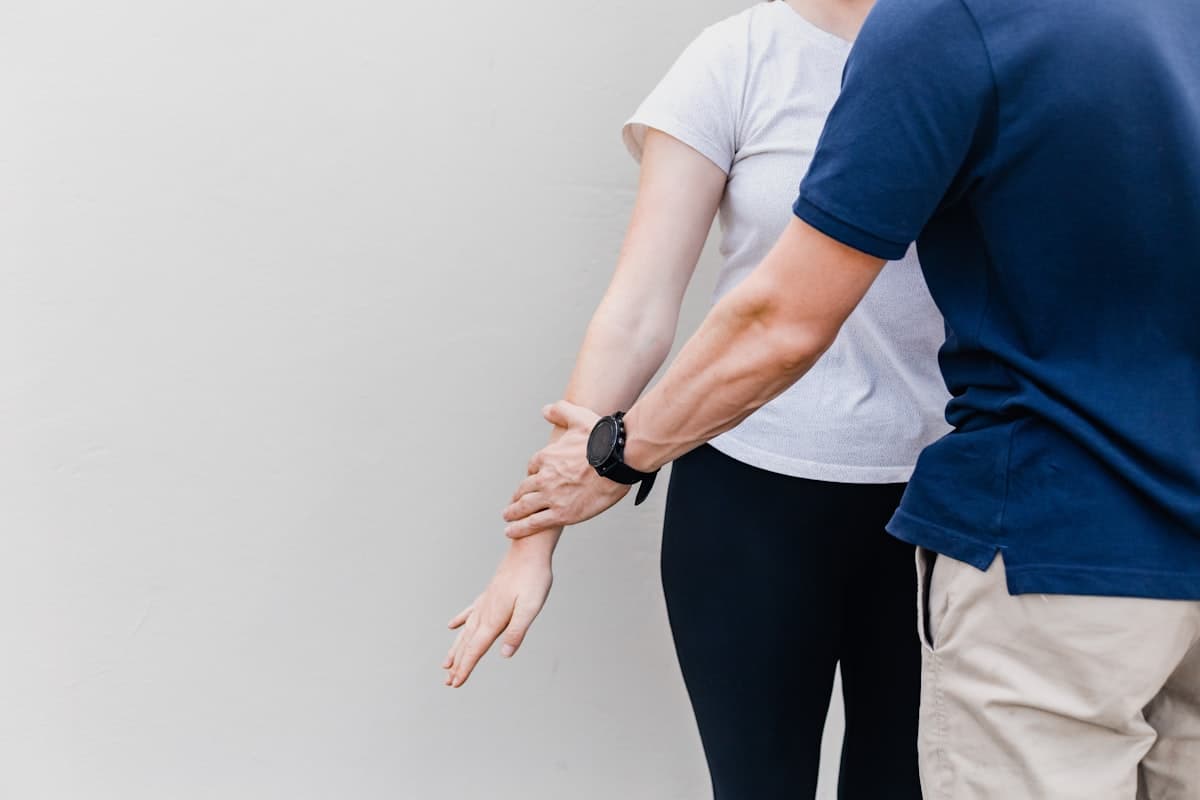
From physiotherapy and manual lymphatic drainage to neurological rehabilitation — each method is a building block of your personal treatment plan.
We are the only specialist clinic offering a holistic approach, with every treatment plan individually tailored to meet the unique needs of each patient.
Contact
E-mailkontakt@alp8.de